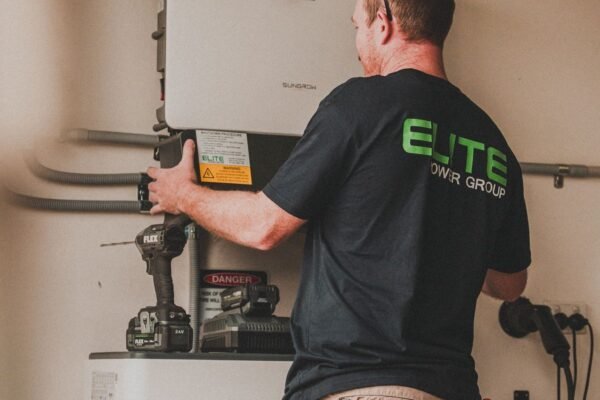

For a C&I or utility-scale storage owner, downtime is not an inconvenience — it is an accruing liability. When a battery asset stops dispatching, the revenue it was contracted to earn (or the peak demand it was contracted to shave) does not pause with it.
The gap is not in the hardware. Our contract reviews and site data across the region point to the same conclusion the residential market reached first: failure rates have converged across manufacturers. The outcome of an installation is no longer decided by cell chemistry or brand origin. It is decided by what happens after the first fault — the depth of the service network, the availability of spare parts, and how responsibility is allocated in the contract when the asset underperforms.
Where the risk concentrates over a 15-to-20-year asset life. Three questions separate a serviceable asset from a stranded one:
Why this matters now. C&I storage is moving from pilot to portfolio. The owners who survive the first full service cycle are the ones who negotiated the post-warranty reality before signing, not the ones who discovered it in year eleven.
Last updated: 2026-09-28.
Updated for commercial and industrial readers, September 2026.